consanguineous
/kɔn'sæɳgwin/ Cách viết khác : (consanguineous) /,kɔnsæɳ'gwiniəs/
Học thuậtThân thiện
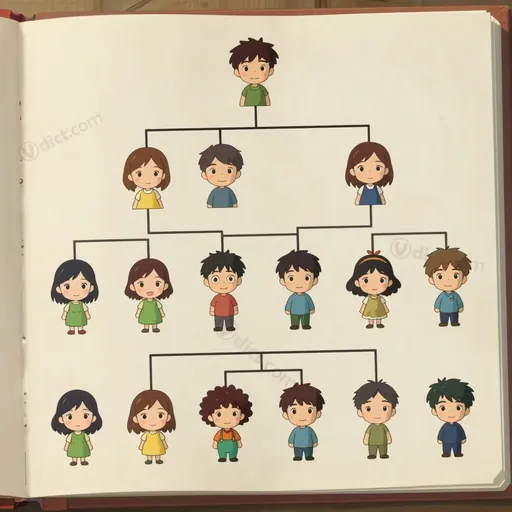
Definition
- Adjective:
- Related by blood; sharing a common ancestor: Describes the biological relationship between individuals who are descended from the same ancestor, indicating a blood tie.
Usage
The adjective "consanguineous" is a formal term used primarily in legal, anthropological, medical, and genealogical contexts. It describes a familial connection through biological descent rather than through marriage (affinal relationships). It is often used to qualify nouns like "relationship," "marriage," or "kin."
Examples
- Adjective:
- The study focused on genetic disorders within consanguineous families.
- They discovered they were consanguineous, sharing a great-grandfather.
- In some cultures, consanguineous marriages are traditionally practiced.
Advanced Usage
"Consanguineous marriage": A marriage between individuals who are biologically related as second cousins or closer.
- Public health policies often address the genetic risks associated with consanguineous marriage.
"Consanguineous relationship": A kinship connection based on bloodline.
- The inheritance law prioritized heirs in a direct consanguineous relationship.
Variants and Related Words
- Consanguine (adj): An alternative, less common form with the same meaning.
- They are consanguine siblings.
- Consanguinity (n): The state of being related by blood.
- The degree of consanguinity determines legal rights of inheritance.
Synonyms
- Blood-related: Connected by birth or common ancestry.
- Akin: Related by blood (archaic or formal).
- Cognate: Related by descent from the same source (often used for languages, but can apply to lineage).
Antonyms
- Affinal: Related by marriage.
- Unrelated: Having no family connection.
- Adoptive: Related through legal adoption, not biology.
Adjective
- related by blood